
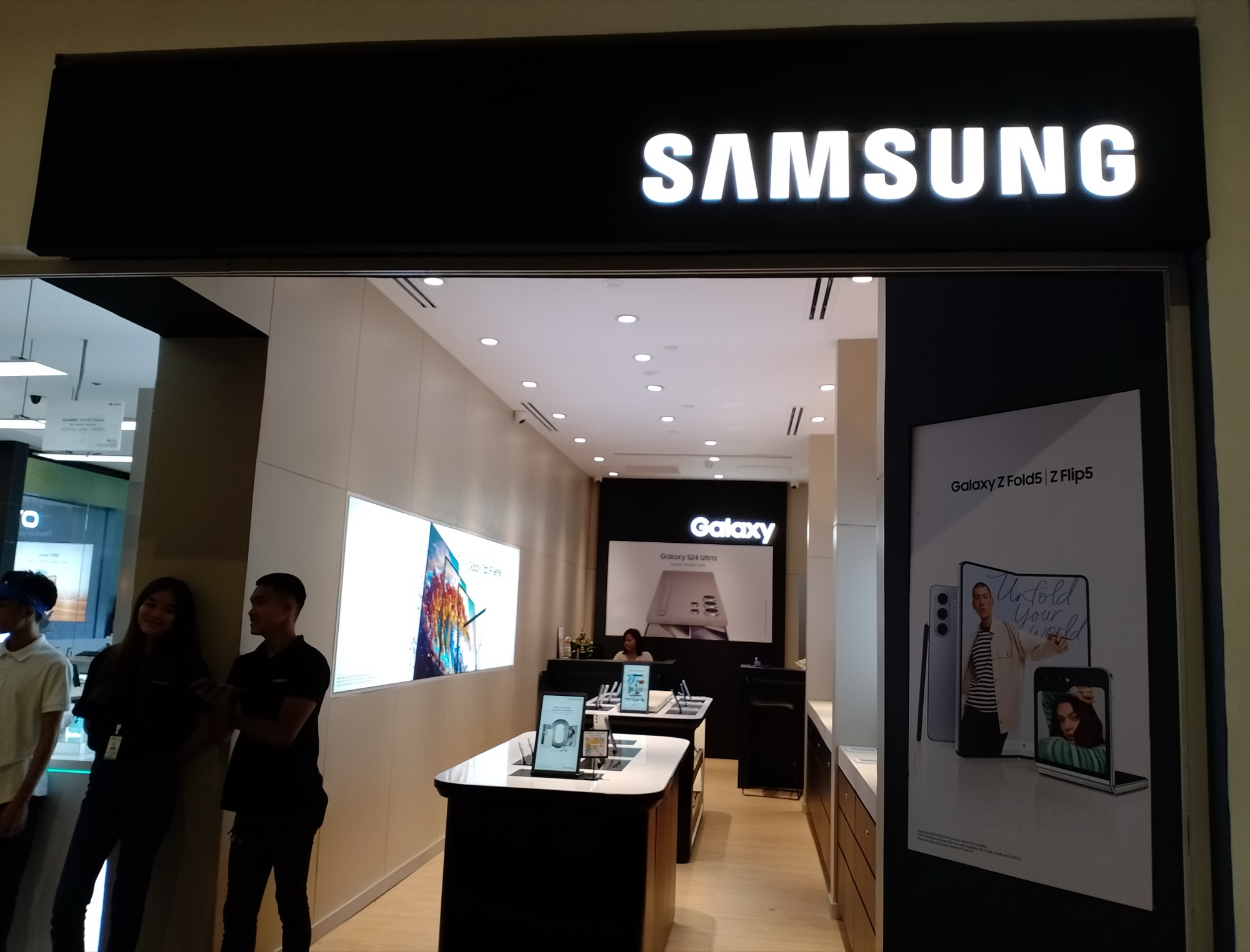
Samsung Electronics (KRX: 005930) is in talks to acquire Modine Manufacturing (NYSE: MOD), a U.S. maker of data-center cooling systems valued at approximately $5.6 billion before the report emerged, Bloomberg reported Thursday, November 12, citing people familiar with the discussions.
A transaction could be agreed within weeks, but no final decision has been made, and negotiations could still collapse. Another potential buyer could emerge, according to Bloomberg. Neither Samsung nor Modine has confirmed the discussions or disclosed a proposed purchase price.
Samsung stock closed Friday, November 13, at 206,000 won in Seoul, down 0.96% from Thursday’s 208,000-won close. Shares had risen as high as 216,000 won during the session before retreating, while South Korea’s benchmark Kospi index finished 0.98% lower.
Modine shares reacted more sharply. The stock closed Thursday at $106.10, giving the company a market capitalization of approximately $5.6 billion, before surging more than 28% to above $135 in extended trading. The rally continued Friday, with Modine trading at $137.15, up 29.26%, at 11:28 a.m. Eastern Time during the regular U.S. session.
For Samsung shareholders, the potential acquisition raises a question beyond the immediate stock reaction: whether buying another cooling specialist after Germany’s FläktGroup would accelerate Samsung’s expansion into AI data-center infrastructure, and what price the company might have to pay.
Why Samsung Is Interested in Modine’s Data-Center Cooling Business
Modine, headquartered in Racine, Wisconsin, manufactures thermal-management systems for commercial buildings, industrial applications and data centers. Its fastest-growing business supplies cooling equipment to hyperscale cloud operators expanding their computing infrastructure.
The company’s Data Centers segment generated $439.7 million in sales during its fiscal second quarter ended September 30, 2026, an increase of 95% from $225 million a year earlier. Segment operating income rose 70% to $61.2 million.
That growth reflects expanding demand for equipment capable of managing the heat generated by high-density AI computing systems. Modine supplies chillers, dry coolers, coolant distribution units and related systems that help data centers maintain operating temperatures while managing energy and water consumption.
The business has also been expanding its manufacturing capacity. On November 11, Modine announced the start of commercial production at a new 682,000-square-foot facility in Grand Prairie, Texas, dedicated to producing 2-megawatt and 3-megawatt Airedale chillers for data-center customers.
However, growth has come with financial pressure. The Data Centers segment’s gross margin declined 4.7 percentage points year over year to 19.7% in the September quarter, reflecting higher material, component and tariff costs.
Across the first six months of its fiscal year, Modine reported negative operating cash flow of $57.1 million and negative free cash flow of $145.6 million, partly because of manufacturing investments and higher working-capital requirements.
For a potential acquirer, the attraction is therefore not simply rapid revenue growth. Modine provides established products, customer relationships and North American manufacturing capacity, but also carries the challenge of converting an expanding order book into sustainable margins and cash generation.
Samsung’s FläktGroup Acquisition Provides the Strategic Context
A Modine acquisition would follow Samsung’s purchase of Germany-based heating, ventilation and air-conditioning specialist FläktGroup, completed in November 2025.
Samsung originally announced the FläktGroup transaction in May 2025 for €1.5 billion, a figure confirmed in its official announcement. The acquisition brought commercial and industrial cooling capabilities into Samsung’s portfolio, including technologies designed for data centers and other large facilities.
Samsung has continued investing in that business. In August 2026, the company announced plans to spend approximately 240 billion won on a new FläktGroup production line at its Gwangju facility in South Korea, with operations scheduled to begin in 2028.
The planned facility will manufacture cooling systems for AI data centers, including coolant distribution units and other HVAC equipment.
Adding Modine could extend that strategy into the U.S. market, where hyperscale data-center construction has created opportunities for manufacturers of industrial cooling equipment.
Modine’s Airedale product portfolio and expanding American production footprint could complement FläktGroup’s existing operations. A combined business could potentially offer Samsung greater manufacturing reach and a broader selection of cooling technologies.
Those benefits remain hypothetical. Samsung has not outlined an integration plan, identified expected cost savings or confirmed that a transaction will proceed.
The move would also expand Samsung’s exposure to AI infrastructure beyond its established semiconductor operations. The company already supplies memory and other components used in AI computing systems, while its cooling investments target the physical infrastructure supporting those systems. Earlier FinanceFeeds coverage of Anthropic’s discussions with Samsung over custom AI chips highlighted another potential avenue for expanding the company’s AI-related business.
What a Modine Deal Could Cost Samsung
Modine’s $5.6 billion valuation represents its equity market capitalization before Bloomberg’s report, not a confirmed acquisition price.
The stock’s subsequent rally illustrates how quickly the prospective cost could change. At $137.15 per share, Modine’s equity market value was approximately $7.3 billion, compared with $5.6 billion at Thursday’s close.
Any negotiated acquisition price could differ from both figures. A buyer would also need to consider Modine’s debt, cash balances and other transaction-related obligations when calculating the total economic cost.
Even using the pre-report valuation, a Modine acquisition would be substantially larger than Samsung’s €1.5 billion FläktGroup purchase. The size of the potential investment makes valuation discipline particularly important.
Samsung has considerable financial resources from its semiconductor and electronics operations, but an acquisition would still compete with other capital requirements, including chip manufacturing capacity, advanced packaging, research and development, and infrastructure investments.
Higher acquisition spending would need to be justified by Modine’s earnings potential and the commercial benefits of combining its operations with FläktGroup. Those benefits might include manufacturing efficiencies, broader customer access and additional product sales, but none has been quantified by Samsung.
Competition could complicate negotiations. Bloomberg reported that another suitor might emerge, potentially increasing pressure on the final purchase price if multiple parties pursue Modine.
Modine’s sharp share-price appreciation also introduces risk for investors buying the stock solely in anticipation of a takeover. Without an agreed offer, the market is assigning value to a transaction that remains uncertain.
What Samsung Stock Investors Should Watch Next
Samsung’s 0.96% decline on Friday does not establish that investors rejected the potential acquisition. The broader Korean equity market also weakened, and the reported talks were only one of several developments affecting technology shares.
The more important indicators will be whether the companies confirm negotiations, announce a binding agreement or disclose terms that allow shareholders to evaluate the financial impact.
A confirmed transaction would provide information currently missing from the report, including the purchase price, financing arrangements, expected closing timetable, regulatory approvals and any anticipated contribution to Samsung’s earnings.
Modine also has an Analyst and Investor Day scheduled for November 18, when management plans to present updated multi-year growth targets following the October spin-off of its Performance Technologies business. The event may provide additional information about Modine’s standalone prospects, although no acquisition announcement has been promised.
For now, Samsung’s reported interest in Modine fits its established strategy of expanding into data-center cooling, but the investment case depends on an acquisition that has not been confirmed. The distinction between Modine’s rapid sales growth and its recent margin and cash-flow pressures will be central to assessing whether a second major cooling acquisition creates sufficient value for Samsung shareholders.