
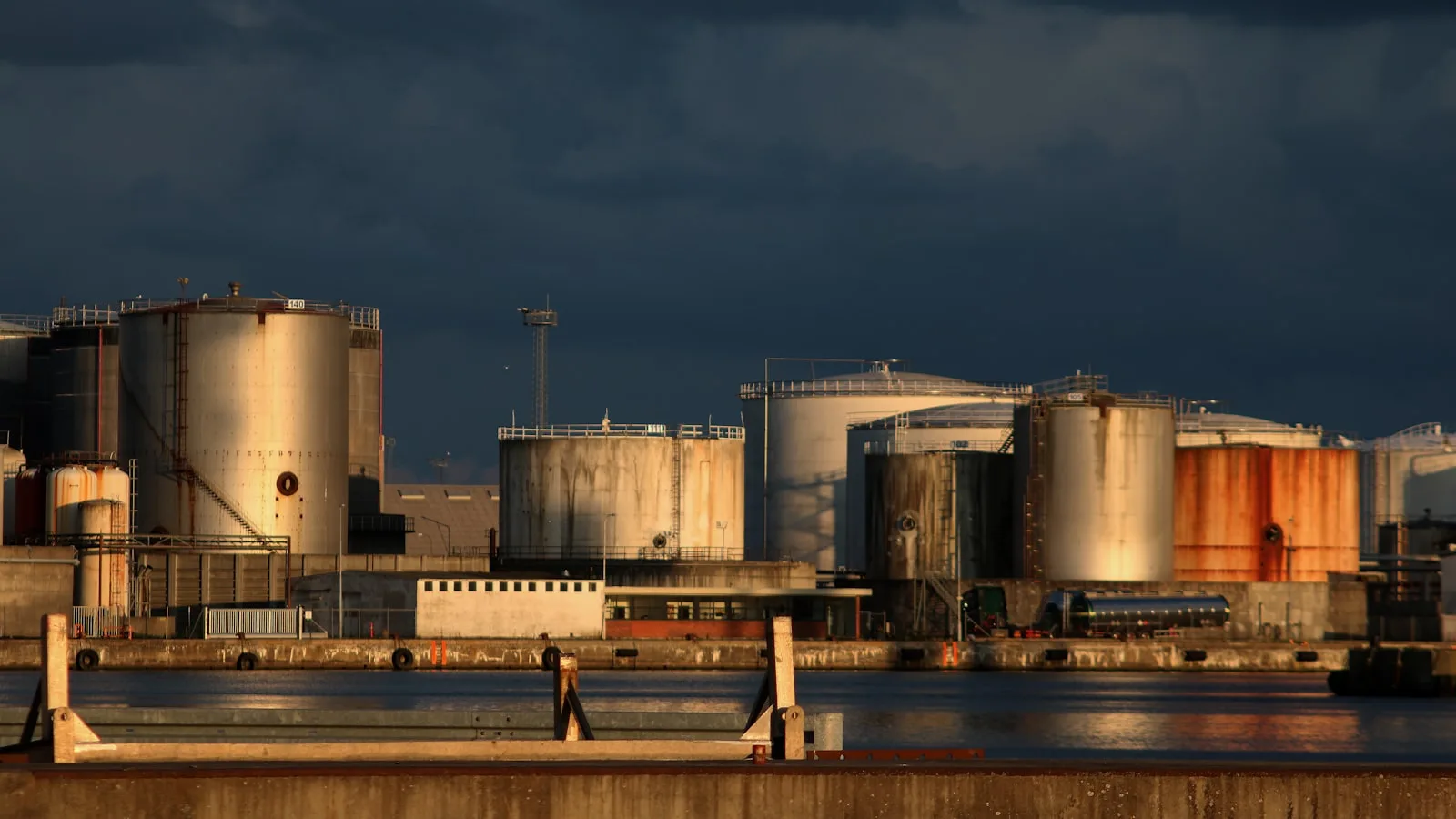
Brent crude oil settled above $100 a barrel on Thursday for the first time in two months after Houthi forces said they struck two Saudi tankers in the Red Sea, then gave back part of the move within a session.
The global benchmark closed at $100.69, a gain of about 7% and a fifth consecutive session of gains, before easing to $98.64 by Friday press time, down 2.04% per OilPrice.com data. West Texas Intermediate slipped 1.67% to $90.65.
The Move, the Level, and the Immediate Fade
The retreat is smaller than it looks. Brent remains up more than 13% on the week, and the three-week move is the more striking number. Brent settled at $71.57 on 1 July, per CNBC, putting the rally at more than 40% in three weeks.
That starting point explains the violence of the move. The United States and Iran signed a memorandum of understanding on 17 June to end the conflict and reopen the Strait of Hormuz, which had been closed for most of the period since late February, apart from a brief reopening to commercial shipping in April under a two-week ceasefire. The market spent early July pricing peace. What has happened since is the unwinding of that trade rather than a fresh shock.
Brent rallied through the week from around $86 to a peak above $102 on Thursday before settling at $100.69 and easing back below $100 on Friday. Source: TradingViewWhat Actually Escalated in the Red Sea
Houthi forces claimed responsibility for attacks on two Saudi oil tankers, framing them as enforcement of the blockade of Saudi ports the group declared on 20 July. That converts the threat this publication covered on Wednesday, when three tankers turned around without a shot fired, into something the market can no longer treat as theoretical.
The diplomatic track closed at the same time. Washington and Tehran have both ruled out near-term talks. President Donald Trump threatened “major military punishment” over further attacks on vessels in the Red Sea and told Axios he was weighing a “massive attack” on Iran, per Bloomberg.
The compounding matters more than any single item. Attacks on shipping continue around Hormuz, US strikes on Iran have continued, and Asian buyers are weighing longer and costlier routes.
Investor Takeaway
The escalation is maritime and reversible, but the off-ramp that faded the price twice this month has now closed on both sides.
Premium and Shortfall, Not One or the Other
Until this week the rally was a risk premium on barrels that were still moving. That is no longer the whole picture, and the reason has nothing to do with the Middle East.
Kazakhstan halted crude transfers to the Caspian Pipeline Consortium terminal at Novorossiysk after four drone strikes in four days hit tankers loading there. The attacks came from Ukraine, targeting a terminal on Russia’s Black Sea coast. CPC carries roughly 80% of Kazakh crude exports and more than 1% of global supply, moving about 70.5 million tonnes in 2025 from the Tengiz and Kashagan fields, with Chevron, ExxonMobil, Eni and Shell among the producers using it.
Kazakhstan has rerouted some volume through the Baku-Tbilisi-Ceyhan pipeline, so this is not a clean loss of the full amount. But it is barrels physically stopped rather than threatened.
The distinction matters for how the move behaves from here. A premium can evaporate in a session on a headline, as Friday demonstrated. A physical disruption clears only when the barrels return. The market is now carrying both from two conflicts that have nothing to do with each other, which is why the fade has been partial rather than complete.
Why the Inflation Impulse Outlasts the Price
This is where a move of more than 40% in three weeks becomes something other than an energy story. Crude feeds into headline inflation through fuel and transport costs with a lag measured in weeks, not hours, so a price that round-trips $100 in a single session still leaves its mark on the next print. Central banks that had been weighing the timing of cuts are looking at an input that has moved more than 40% since the start of the .month
The counterweight is that few forecasters expect the level to hold. J.P. Morgan Global Research projects Brent averaging $86 a barrel in the third quarter, $80 in the fourth and $78 at year-end, all substantially below spot. The EIA’s July outlook was lower still. Those forecasts were built on a reopened Hormuz and returning production, so they describe the world before this week rather than the one after it.
The pattern this month has been sharp premiums that decay rather than persist, and Friday fits it. The 2022 precedent is more precise than that. Brent spiked to $127 within two weeks of Russia’s invasion and gave the spike back within days but held above $100 for roughly six months and cleared only when displaced Russian barrels found new buyers in India and China rather than when the war ended. Premiums built on fear unwind on headlines. Premiums built on barrels that have stopped moving unwind when the barrels find another route.
Investor Takeaway
The market is pricing disruption from two unrelated wars at once, which means a Middle East de-escalation alone would not clear the supply side.