Tesla stock (NASDAQ: TSLA) rose 3.6% in Monday afternoon trading after Elon Musk said the company’s Optimus humanoid robot and Cybercab autonomous vehicle would account for the vast majority of its future value. The comments come ahead of Tesla’s third-quarter earnings release on Wednesday, October 21, when investors will be looking for evidence that its expanding AI investments can eventually generate stronger profits and cash flow.
TSLA traded at $367.52 as of 2:02 p.m. Eastern time on October 19, up from Friday’s $354.72 close, according to Stock Analysis. The shares had initially gained approximately 1% in overnight trading on Sunday.
Monday’s rebound followed a difficult week for the stock, which closed Friday down 2.13% on approximately 61.9 million shares. The recovery also coincided with a broader rebound in technology stocks, making it difficult to isolate Musk’s remarks as the cause of the gain.
Musk Says Optimus and Cybercab Will Dominate Tesla’s Value
In a post on X late Saturday, October 17, Pacific time, Musk wrote: “Optimus and Cybercab will be the vast majority of Tesla’s value.”
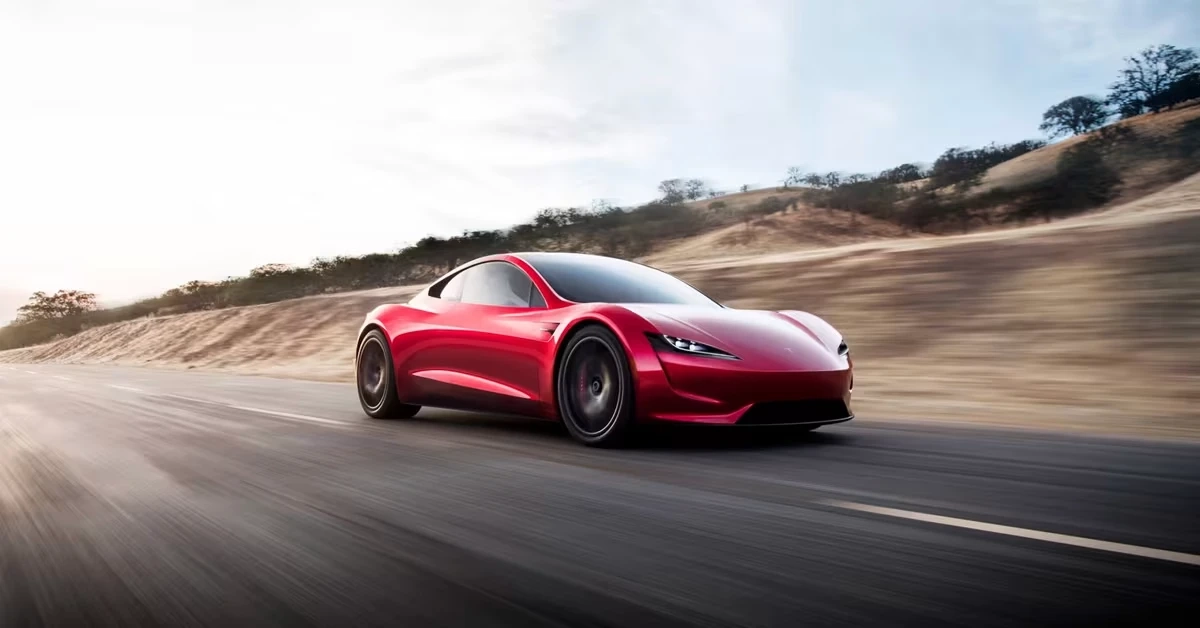
The statement came in response to a discussion about Tesla’s newly demonstrated Roadster, with Musk arguing that robotics, artificial intelligence, solar energy and space transportation offered much greater long-term economic potential.
He nevertheless defended the decision to develop the Roadster, describing the sports car as an exciting product despite its comparatively limited commercial prospects.
The post contained no financial projections, percentage breakdown of Tesla’s valuation, expected revenue figures or timetable for Optimus and Cybercab to become the company’s largest profit contributors.
That distinction is important. Musk’s statement describes his long-term investment thesis rather than a measurable change in Tesla’s current earnings outlook.
Morningstar estimates that the Roadster, scheduled to enter production in 2028, will eventually generate fewer than 2,000 deliveries annually. The research firm maintains a $450 fair value estimate for Tesla shares, with its valuation model placing greater importance on autonomous driving and robotics than the limited-volume sports car.
FinanceFeeds previously covered Tesla’s October 15 Roadster demonstration, including its claimed acceleration capabilities and the planned 2028 production start.
What Analysts Expect From Tesla’s October 21 Earnings
Tesla has confirmed that it will publish its third-quarter financial results after the US market closes on Wednesday, October 21. Management will hold an earnings webcast at 5:30 p.m. Eastern time.
Wall Street expects profitability to remain under pressure despite Tesla’s stronger-than-expected vehicle deliveries.
Reuters reported on October 19 that analysts expect adjusted earnings of approximately $0.43 per share on revenue of $27.88 billion, compared with earnings of $0.50 per share a year earlier. That implies an earnings decline of approximately 14%.
Investor’s Business Daily cited a slightly higher earnings estimate of $0.45 per share and revenue of approximately $27.9 billion. The difference reflects separate analyst consensus datasets rather than a confirmed revision to Tesla’s outlook.
These estimates also differ substantially from the $0.21-per-share figure circulated by some market summaries. Investors should therefore identify the source and accounting basis of any forecast before comparing it with Tesla’s reported results.
The company delivered 486,532 vehicles during the third quarter, exceeding its company-compiled analyst consensus of 461,974 by approximately 5.3%. However, deliveries remained 2.1% below the same quarter of 2025.
Tesla also deployed 13.7 gigawatt-hours of energy storage products during the quarter, compared with 12.5 GWh a year earlier.
As FinanceFeeds reported following Tesla’s Q3 delivery announcement, stronger vehicle shipments do not automatically translate into higher profitability, particularly when pricing, product mix and production costs remain important variables.
Free Cash Flow Could Be the Bigger Test for Tesla Stock
While Musk continues emphasizing robotics and autonomous vehicles, analysts are paying close attention to how much cash Tesla is consuming to finance those ambitions.
Morningstar expects Tesla to report negative free cash flow for a second consecutive quarter because of substantial capital expenditure commitments.
Reuters reported that Tesla generated negative free cash flow of approximately $1.1 billion in the second quarter, its first negative quarterly reading in more than two years. Analysts surveyed for the latest report expect a substantially larger third-quarter cash outflow, with an estimated negative free cash flow of $4.92 billion.
Tesla has indicated that capital expenditure will exceed $25 billion in 2026 as it expands investment in AI computing, robotics, autonomous driving and manufacturing infrastructure.
The spending creates a tension in Tesla’s investment case. The company must commit substantial capital today to develop products that Musk believes will dominate its future valuation, even though those products have yet to demonstrate comparable revenue and profit contributions.
Investors will therefore examine automotive gross margins, operating expenses, capital expenditure and operating cash flow alongside the headline earnings figures.
A stronger cash-flow result could ease concerns about the near-term financial burden of Tesla’s technology investments. A further deterioration could increase scrutiny of when those investments are expected to generate measurable returns.
Cybercab and Optimus Face the Next Commercialization Test
Beyond the earnings figures, Wednesday’s conference call will provide an opportunity for investors to question management about the progress of Cybercab and Optimus.
For Cybercab, the most important developments include the number of vehicles operating commercially, geographic expansion, regulatory requirements and the cost of delivering autonomous transportation services.
Regulatory permission should not be confused with commercial deployment. FinanceFeeds previously reported that Nevada authorized Tesla to operate up to 5,000 autonomous vehicles, but that ceiling does not establish how many vehicles are actually in service.
For Optimus, investors will be looking for more concrete evidence of manufacturing progress, production costs and potential customer demand.
The long-term opportunity could be substantial if Tesla eventually develops a commercially scalable humanoid robot business. However, the company has not established that Optimus will achieve the revenue, operating margins or production volumes needed to support Musk’s latest valuation statement.
Similar questions surround Cybercab, where fleet economics, utilization rates, insurance expenses, regulatory restrictions and vehicle costs will determine the potential profitability of autonomous transportation.
Wednesday’s earnings release is unlikely to settle the long-term valuation debate, but it will provide fresh evidence about Tesla’s ability to fund its ambitions while maintaining financial discipline.
For Tesla stock investors, the immediate test is whether vehicle margins and cash flow can support the current business as management continues directing capital toward Optimus and Cybercab. Musk has made clear where he believes most of Tesla’s future value lies. The October 21 results will show what the company is earning and spending to pursue that vision.